Buy codecanyon.eu ?
We are moving the project
codecanyon.eu .
Are you interested in purchasing the domain
codecanyon.eu ?
domain@kv-gmbh.de · 0541-91531010
Buy codecanyon.eu ?
Why is Rutherford's scattering experiment called a scattering experiment at all?
Rutherford's experiment is called a scattering experiment because it involved firing alpha particles at a thin gold foil and observing how they scattered after hitting the foil. The term "scattering" refers to the process of particles being deflected from their original path as a result of collisions with the atoms in the foil. By analyzing the pattern of scattering, Rutherford was able to deduce the structure of the atom and propose the existence of a dense, positively charged nucleus at its center. This experiment was crucial in advancing our understanding of atomic structure and the behavior of subatomic particles. **
What was Rutherford's scattering experiment?
Rutherford's scattering experiment involved firing alpha particles at a thin gold foil and observing their deflection. The experiment aimed to study the structure of the atom and determine how the positive charge is distributed within it. The unexpected results of the experiment led Rutherford to propose the nuclear model of the atom, where he suggested that atoms have a small, dense, positively charged nucleus at their center. This experiment was crucial in advancing our understanding of atomic structure. **


Similar search terms for Scattering
Top-Angebote
Products related to Scattering:
-
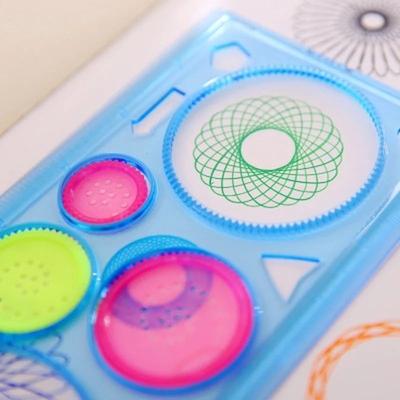
Inspired Living Multifunctional Geometry Ruler & Drawing Template Geometric Stencil Puzzle Tool For Students And Artists Multifunctional Geometry Ruler & Drawing Template Geometric Stencil Puzzle Tool For Students And ArtistsTurn I cant draw that into Look what I made! This clever allinone ruler is designed to make drawing, measuring, and shaping easierwhether youre a student learning geometry or an artist sketching clean layouts. With builtin templates, curves, and...23,97 $*Shipping: 0,00 $Secure redirect to the provider
-
Uplift Treasures Wooden Celadon Theme Coaster Set Wooden Celadon Theme Coaster SetProduct Description: Enhance your table setting with this elegant wooden coaster set featuring a calming celadon theme. Designed for both style and function, these coasters protect surfaces from heat and moisture while adding a touch of artistic...41,97 $*Shipping: 0,00 $Secure redirect to the provider
-
Uplifted Goods Tank Theme Christmas Countdown Calendar Tank Theme Christmas Countdown CalendarCount down to the holiday with this tank theme Christmas countdown calendar that combines festive fun with a unique collectible twist. Each day reveals a new ornament or piece connected to the tank model allowing kids and adults alike to enjoy a...49,97 $*Shipping: 0,00 $Secure redirect to the provider



-
What is the Rutherford scattering experiment?
The Rutherford scattering experiment was conducted by physicist Ernest Rutherford in 1909. In this experiment, Rutherford bombarded a thin gold foil with alpha particles and observed their scattering patterns. The unexpected results of the experiment led to the discovery of the atomic nucleus and the development of the nuclear model of the atom. The experiment showed that most of the alpha particles passed through the foil, but some were deflected at large angles, indicating the presence of a small, dense nucleus within the atom. This experiment revolutionized our understanding of the structure of the atom. **
-
What is the Rutherford scattering with copper?
Rutherford scattering with copper refers to the experiment conducted by Ernest Rutherford in which he bombarded a thin gold foil with alpha particles. The experiment led to the discovery that atoms have a small, dense nucleus at their center, which was a groundbreaking finding in the field of nuclear physics. The use of copper in the experiment is not common, as gold was the metal foil typically used due to its malleability and ability to be made very thin. **
-
What is the difference between reflection and scattering?
Reflection occurs when light bounces off a surface at the same angle it hits it, resulting in a clear image. Scattering, on the other hand, occurs when light is dispersed in different directions by particles or irregularities in a medium, resulting in a diffuse or hazy appearance. In reflection, the light maintains its original intensity and color, while in scattering, the light may lose intensity and change color due to the interaction with the medium. **
-
What causes the photoelectric effect: absorption or scattering?
The photoelectric effect is caused by absorption of photons by electrons in a material, rather than scattering. When a photon with sufficient energy is absorbed by an electron in a material, it can transfer enough energy to the electron to liberate it from the material, causing the photoelectric effect. Scattering, on the other hand, involves the redirection of photons by particles in a material, but it does not result in the ejection of electrons from the material. **


Why is the Rutherford experiment called the scattering experiment?
The Rutherford experiment is called the scattering experiment because it involved firing alpha particles at a thin gold foil and observing how they scattered after hitting the foil. This scattering of alpha particles provided crucial evidence for the existence of a small, dense nucleus within the atom, as most of the alpha particles passed through the foil with little deflection, but a small fraction were scattered at large angles. This unexpected scattering pattern led to the development of the nuclear model of the atom and revolutionized our understanding of atomic structure. **
Can you explain the Rutherford scattering experiment atomic model?
The Rutherford scattering experiment was conducted by physicist Ernest Rutherford in 1909. In this experiment, Rutherford bombarded a thin gold foil with alpha particles and observed their scattering patterns. According to the prevailing atomic model at the time, the plum pudding model, it was expected that the alpha particles would pass through the foil with minimal deflection. However, Rutherford's observations showed that some alpha particles were deflected at large angles, and even some were reflected back. This led to the development of the nuclear model of the atom, in which the atom is mostly empty space with a small, dense nucleus at the center. This experiment provided evidence for the existence of a positively charged nucleus within the atom, leading to a significant shift in our understanding of atomic structure. **
Top-Angebote
Products related to Scattering:
-
Westbury Bracket Mounting TemplateThe Westbury Bracket Mounting Template will help cut down installation time significantly by allowing the correct placement of mounts onto posts. This mounting template is compatible with 36-inch and 42-inch Westbury aluminum railings. The Westbury...125,72 $*Shipping: 0,00 $Secure redirect to the provider
-
Inspired Living Multifunctional Geometry Ruler & Drawing Template Geometric Stencil Puzzle Tool For Students And Artists Multifunctional Geometry Ruler & Drawing Template Geometric Stencil Puzzle Tool For Students And ArtistsTurn I cant draw that into Look what I made! This clever allinone ruler is designed to make drawing, measuring, and shaping easierwhether youre a student learning geometry or an artist sketching clean layouts. With builtin templates, curves, and...23,97 $*Shipping: 0,00 $Secure redirect to the provider
-
Why is Rutherford's scattering experiment called a scattering experiment at all?
Rutherford's experiment is called a scattering experiment because it involved firing alpha particles at a thin gold foil and observing how they scattered after hitting the foil. The term "scattering" refers to the process of particles being deflected from their original path as a result of collisions with the atoms in the foil. By analyzing the pattern of scattering, Rutherford was able to deduce the structure of the atom and propose the existence of a dense, positively charged nucleus at its center. This experiment was crucial in advancing our understanding of atomic structure and the behavior of subatomic particles. **
-
What was Rutherford's scattering experiment?
Rutherford's scattering experiment involved firing alpha particles at a thin gold foil and observing their deflection. The experiment aimed to study the structure of the atom and determine how the positive charge is distributed within it. The unexpected results of the experiment led Rutherford to propose the nuclear model of the atom, where he suggested that atoms have a small, dense, positively charged nucleus at their center. This experiment was crucial in advancing our understanding of atomic structure. **
-
What is the Rutherford scattering experiment?
The Rutherford scattering experiment was conducted by physicist Ernest Rutherford in 1909. In this experiment, Rutherford bombarded a thin gold foil with alpha particles and observed their scattering patterns. The unexpected results of the experiment led to the discovery of the atomic nucleus and the development of the nuclear model of the atom. The experiment showed that most of the alpha particles passed through the foil, but some were deflected at large angles, indicating the presence of a small, dense nucleus within the atom. This experiment revolutionized our understanding of the structure of the atom. **
-
What is the Rutherford scattering with copper?
Rutherford scattering with copper refers to the experiment conducted by Ernest Rutherford in which he bombarded a thin gold foil with alpha particles. The experiment led to the discovery that atoms have a small, dense nucleus at their center, which was a groundbreaking finding in the field of nuclear physics. The use of copper in the experiment is not common, as gold was the metal foil typically used due to its malleability and ability to be made very thin. **
Similar search terms for Scattering
-
Uplift Treasures Wooden Celadon Theme Coaster Set Wooden Celadon Theme Coaster SetProduct Description: Enhance your table setting with this elegant wooden coaster set featuring a calming celadon theme. Designed for both style and function, these coasters protect surfaces from heat and moisture while adding a touch of artistic...41,97 $*Shipping: 0,00 $Secure redirect to the provider
-
Uplifted Goods Tank Theme Christmas Countdown Calendar Tank Theme Christmas Countdown CalendarCount down to the holiday with this tank theme Christmas countdown calendar that combines festive fun with a unique collectible twist. Each day reveals a new ornament or piece connected to the tank model allowing kids and adults alike to enjoy a...49,97 $*Shipping: 0,00 $Secure redirect to the provider
-
Handpicked Choices African Beauty Lady Stencil For Wall Painting Scrapbook And DIY Art Template hBring powerful expression and cultural beauty into your creations with this stunning African beauty stencil. Designed for artists, crafters, and DIY lovers, this versatile template helps you create bold, elegant designs with ease. Whether you're...29,97 $*Shipping: 0,00 $Secure redirect to the provider
-
Handpicked Choices African Beauty Lady Stencil For Wall Painting Scrapbook And DIY Art Template fBring powerful expression and cultural beauty into your creations with this stunning African beauty stencil. Designed for artists, crafters, and DIY lovers, this versatile template helps you create bold, elegant designs with ease. Whether you're...29,97 $*Shipping: 0,00 $Secure redirect to the provider
-
What is the difference between reflection and scattering?
Reflection occurs when light bounces off a surface at the same angle it hits it, resulting in a clear image. Scattering, on the other hand, occurs when light is dispersed in different directions by particles or irregularities in a medium, resulting in a diffuse or hazy appearance. In reflection, the light maintains its original intensity and color, while in scattering, the light may lose intensity and change color due to the interaction with the medium. **
-
What causes the photoelectric effect: absorption or scattering?
The photoelectric effect is caused by absorption of photons by electrons in a material, rather than scattering. When a photon with sufficient energy is absorbed by an electron in a material, it can transfer enough energy to the electron to liberate it from the material, causing the photoelectric effect. Scattering, on the other hand, involves the redirection of photons by particles in a material, but it does not result in the ejection of electrons from the material. **
-
Why is the Rutherford experiment called the scattering experiment?
The Rutherford experiment is called the scattering experiment because it involved firing alpha particles at a thin gold foil and observing how they scattered after hitting the foil. This scattering of alpha particles provided crucial evidence for the existence of a small, dense nucleus within the atom, as most of the alpha particles passed through the foil with little deflection, but a small fraction were scattered at large angles. This unexpected scattering pattern led to the development of the nuclear model of the atom and revolutionized our understanding of atomic structure. **
-
Can you explain the Rutherford scattering experiment atomic model?
The Rutherford scattering experiment was conducted by physicist Ernest Rutherford in 1909. In this experiment, Rutherford bombarded a thin gold foil with alpha particles and observed their scattering patterns. According to the prevailing atomic model at the time, the plum pudding model, it was expected that the alpha particles would pass through the foil with minimal deflection. However, Rutherford's observations showed that some alpha particles were deflected at large angles, and even some were reflected back. This led to the development of the nuclear model of the atom, in which the atom is mostly empty space with a small, dense nucleus at the center. This experiment provided evidence for the existence of a positively charged nucleus within the atom, leading to a significant shift in our understanding of atomic structure. **
* All prices are inclusive of VAT and, if applicable, plus shipping costs. The offer information is based on the details provided by the respective shop and is updated through automated processes. Real-time updates do not occur, so deviations can occur in individual cases. ** Note: Parts of this content were created by AI.