Buy codecanyon.eu ?
We are moving the project
codecanyon.eu .
Are you interested in purchasing the domain
codecanyon.eu ?
domain@kv-gmbh.de · 0541-91531010
Buy codecanyon.eu ?
What is the difference between a USB hub and a USB extension?
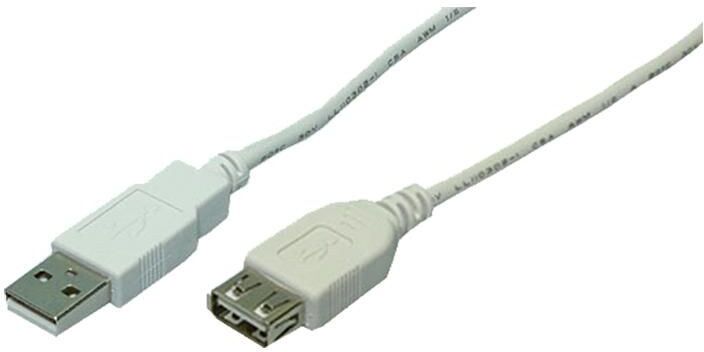
A USB hub is a device that allows multiple USB devices to be connected to a single USB port on a computer. It expands the number of available USB ports and allows for easy connection of multiple devices. On the other hand, a USB extension is a cable that extends the reach of a USB device by providing additional length between the device and the computer. It does not increase the number of available USB ports, but rather allows for greater flexibility in positioning USB devices. **
Why is the USB extension not working properly?
The USB extension may not be working properly due to a few reasons. It could be a faulty extension cable, a loose connection, or a compatibility issue with the devices being connected. Additionally, the extension cable may not be providing enough power to the connected device, resulting in malfunction. It's also possible that the extension cable is damaged or worn out, leading to connectivity issues. Troubleshooting these potential issues can help identify and resolve the problem with the USB extension. **


Similar search terms for Usb
Top-Angebote
Products related to Usb:
-
Lindy USB 3.2 Gen 1 USB-C to USB-A Active Extension Pro - 5mThe Lindy USB 3.2 Gen 1 C/A Active Extension Cable Pro is a high performance active cable that allows access to USB peripherals over long distances. With support for data transfer speeds of up to 5Gbps this extension cable is perfect for transferring large data volumes quickly and reliably.This 5m USB 3.2 C/A Active Extension Cable can be used standalone or as part of the Lindy USB 3.0 Active Extension System Pro. This system is a modular solution that can combine multiple USB Active Extension Pro cables and a USB 3.0 Active Extension Pro hub to distribute USB signals to up to 4 devices at about 40m (depending on the cable configurations used).Please note that only the USB 3.2 C/A Active Extension Pro 5m (Nr. 43380) or the 8m version (Nr. 43381) can be connected directly to your computer. Once the first cable has been connected, you can then cascade further cables to achieve a maximum distance of 40m. The final part of the extension can be any segment of the Extension Pro System (Nr. 43157, 43158, 43229, 43361). If you need to extend multiple devices or if you connect a USB device with high power requirement, then you should use the 10m Hub Pro unit (Nr. 43159) with it's power supply as the final part of the extension.If a USB Type C device is to be connected, a USB 3.0 Active Extension Type A to C (no. 43375 or 43376) can also be used as the last segment.This cable features industry-proven active technology and locking connectors to ensure full signal integrity in the most demanding environments.Information about USB 3.0, 3.1 and 3.2USB 3.0, USB 3.1 and USB 3.2 PCs, cables and devices are all compatible with each other, when using either a USB Type A or USB Type C host interface.USB 3.0, USB 3.1 Gen 1 and USB 3.2 Gen 1 all support data transfer rates up to 5 Gbps.USB 3.1 Gen 2 and USB 3.2 Gen 2 both support data transfer rates up to 10 Gbps.51,49 £*Shipping: 0,00 £Secure redirect to the provider
-
Lindy USB 3.2 Gen 1 USB-C to USB-A Active Extension Pro - 8mThe Lindy USB 3.2 Gen 1 C/A Active Extension Cable Pro is a high performance active cable that allows access to USB peripherals over long distances. With support for data transfer speeds of up to 5Gbps this extension cable is perfect for transferring large data volumes quickly and reliably.This 8m USB 3.2 C/A Active Extension Cable can be used standalone or as part of the Lindy USB 3.0 Active Extension System Pro. This system is a modular solution that can combine multiple USB Active Extension Pro cables and a USB 3.0 Active Extension Pro hub to distribute USB signals to up to 4 devices at about 40m (depending on the cable configurations used). Please note that only the USB 3.2 C/A Active Extension Pro 8m (Nr. 43381) or the 5m version (Nr. 43380) can be connected directly to your computer. Once the first cable has been connected, you can then cascade further cables to achieve a maximum distance of 40m. The final part of the extension can be any segment of the Extension Pro System (Nr. 43157, 43158, 43229, 43361). If you need to extend multiple devices or if you connect a USB device with high power requirement, then you should use the 10m Hub Pro unit (Nr. 43159) with it’s power supply as the final part of the extension.If a USB Type C device is to be connected, a USB 3.0 Active Extension Type A to C (no. 43375 or 43376) can also be used as the last segment.This cable features industry-proven active technology and locking connectors to ensure full signal integrity in the most demanding environments.96,99 £*Shipping: 0,00 £Secure redirect to the provider
-
Lindy 20m USB 2.0 Active ExtensionThe Lindy USB 2.0 Active Extension Cable uses built-in active electronics to extend the cable length of a USB 2.0 device by an additional 20m whilst continuing to support data transfer rates of up to 480Mbps.With its USB A male and USB A female connector it allows multiple Type A devices such as storage devices, webcams and other Type A devices to be connected at longer distances to PCs, laptops and tablets, while also ensuring flexible positioning.Up to 2 extension cables can be chained together to achieve a distance of 40m.The Lindy USB 2.0 Active Extension Cable is compatible with all USB Type A equipped computers. With plug and play functionality, this extension cable can be installed quickly and with minimum fuss, ideal for both professional and first time users.It is recommended that this extender is used with low power or self powered USB peripherals and not high power consuming devices.42,99 £*Shipping: 0,00 £Secure redirect to the provider


-
What is the delay in a USB extension?
The delay in a USB extension is caused by the increased distance the signal has to travel, which can result in a longer transmission time. This delay is typically due to the resistance and capacitance of the extended cable, which can degrade the signal and slow down the data transfer. Additionally, the quality of the extension cable and any additional connectors can also impact the delay. Overall, the delay in a USB extension can result in slower data transfer speeds and potentially affect the performance of connected devices. **
-
How can I extend a USB extension cable?
To extend a USB extension cable, you can use a USB hub. Simply plug the USB extension cable into one of the ports on the hub, and then use another USB cable to connect the hub to your device. This will effectively extend the reach of your USB connection. Additionally, you can also use a USB repeater cable, which is specifically designed to extend the length of a USB connection without losing signal strength. **
-
Can I connect a mouse, keyboard, etc. using a USB extension and a USB hub?
Yes, you can connect a mouse, keyboard, and other USB devices using a USB extension and a USB hub. The USB extension will allow you to extend the reach of your USB connection, and the USB hub will allow you to connect multiple devices to a single USB port on your computer. Just make sure that the USB hub has enough ports to accommodate all the devices you want to connect, and that it is compatible with your computer's operating system. **
-
What should be considered when using a USB extension?
When using a USB extension, it is important to consider the length of the extension cable. USB signals can degrade over longer distances, so using a high-quality, shorter extension cable is recommended to minimize signal loss. Additionally, it is important to consider the power requirements of the devices being connected through the extension, as some devices may require more power than the extension cable can provide. Finally, it is important to ensure that the extension cable is compatible with the USB version of the devices being connected, as using an incompatible extension cable can result in connectivity issues. **


Where is the power located in a USB extension cable?
The power in a USB extension cable is located in the male end of the cable, which is the end that plugs into the power source such as a computer or wall adapter. The female end of the cable, which is where you plug in your USB device, does not supply power. The male end contains the necessary wiring and components to transmit power and data to the connected device. **
How do I start a script from a USB stick?
To start a script from a USB stick, you will first need to ensure that the script is saved on the USB stick. Insert the USB stick into the computer's USB port and locate the script file. You can then open the script file using a text editor or an appropriate software application to run the script. If the script requires specific software or dependencies, make sure they are also available on the computer where you are running the script from the USB stick. **
Top-Angebote
Products related to Usb:
-
StarTech USB Extension Cable USB Type A BlackThe USBEXTAA10BK 10-foot USB Extension Cable (A-A) features 1 USB A male connector and 1 USB A female connector, extending the connection between USB 2.0 devices by up to 10 feet - an ideal solution for better placement of peripheral devices, or adding flexibility to existing USB ports. This high quality USB extension cable is fully rated for use with USB 1.1 and USB 2.0 devices. StarTech.com 10 ft Black USB 2.0 Extension Cable A to A - 10ft USB 2.0 Extension Cable - 10ft USB male female Cable (13,99 £*Shipping: 0,00 £Secure redirect to the provider
-
Lindy USB 3.2 Gen 1 USB-C to USB-A Active Extension Pro - 5mThe Lindy USB 3.2 Gen 1 C/A Active Extension Cable Pro is a high performance active cable that allows access to USB peripherals over long distances. With support for data transfer speeds of up to 5Gbps this extension cable is perfect for transferring large data volumes quickly and reliably.This 5m USB 3.2 C/A Active Extension Cable can be used standalone or as part of the Lindy USB 3.0 Active Extension System Pro. This system is a modular solution that can combine multiple USB Active Extension Pro cables and a USB 3.0 Active Extension Pro hub to distribute USB signals to up to 4 devices at about 40m (depending on the cable configurations used).Please note that only the USB 3.2 C/A Active Extension Pro 5m (Nr. 43380) or the 8m version (Nr. 43381) can be connected directly to your computer. Once the first cable has been connected, you can then cascade further cables to achieve a maximum distance of 40m. The final part of the extension can be any segment of the Extension Pro System (Nr. 43157, 43158, 43229, 43361). If you need to extend multiple devices or if you connect a USB device with high power requirement, then you should use the 10m Hub Pro unit (Nr. 43159) with it's power supply as the final part of the extension.If a USB Type C device is to be connected, a USB 3.0 Active Extension Type A to C (no. 43375 or 43376) can also be used as the last segment.This cable features industry-proven active technology and locking connectors to ensure full signal integrity in the most demanding environments.Information about USB 3.0, 3.1 and 3.2USB 3.0, USB 3.1 and USB 3.2 PCs, cables and devices are all compatible with each other, when using either a USB Type A or USB Type C host interface.USB 3.0, USB 3.1 Gen 1 and USB 3.2 Gen 1 all support data transfer rates up to 5 Gbps.USB 3.1 Gen 2 and USB 3.2 Gen 2 both support data transfer rates up to 10 Gbps.51,49 £*Shipping: 0,00 £Secure redirect to the provider
-
What is the difference between a USB hub and a USB extension?
A USB hub is a device that allows multiple USB devices to be connected to a single USB port on a computer. It expands the number of available USB ports and allows for easy connection of multiple devices. On the other hand, a USB extension is a cable that extends the reach of a USB device by providing additional length between the device and the computer. It does not increase the number of available USB ports, but rather allows for greater flexibility in positioning USB devices. **
-
Why is the USB extension not working properly?
The USB extension may not be working properly due to a few reasons. It could be a faulty extension cable, a loose connection, or a compatibility issue with the devices being connected. Additionally, the extension cable may not be providing enough power to the connected device, resulting in malfunction. It's also possible that the extension cable is damaged or worn out, leading to connectivity issues. Troubleshooting these potential issues can help identify and resolve the problem with the USB extension. **
-
What is the delay in a USB extension?
The delay in a USB extension is caused by the increased distance the signal has to travel, which can result in a longer transmission time. This delay is typically due to the resistance and capacitance of the extended cable, which can degrade the signal and slow down the data transfer. Additionally, the quality of the extension cable and any additional connectors can also impact the delay. Overall, the delay in a USB extension can result in slower data transfer speeds and potentially affect the performance of connected devices. **
-
How can I extend a USB extension cable?
To extend a USB extension cable, you can use a USB hub. Simply plug the USB extension cable into one of the ports on the hub, and then use another USB cable to connect the hub to your device. This will effectively extend the reach of your USB connection. Additionally, you can also use a USB repeater cable, which is specifically designed to extend the length of a USB connection without losing signal strength. **
Similar search terms for Usb
-
Lindy USB 3.2 Gen 1 USB-C to USB-A Active Extension Pro - 8mThe Lindy USB 3.2 Gen 1 C/A Active Extension Cable Pro is a high performance active cable that allows access to USB peripherals over long distances. With support for data transfer speeds of up to 5Gbps this extension cable is perfect for transferring large data volumes quickly and reliably.This 8m USB 3.2 C/A Active Extension Cable can be used standalone or as part of the Lindy USB 3.0 Active Extension System Pro. This system is a modular solution that can combine multiple USB Active Extension Pro cables and a USB 3.0 Active Extension Pro hub to distribute USB signals to up to 4 devices at about 40m (depending on the cable configurations used). Please note that only the USB 3.2 C/A Active Extension Pro 8m (Nr. 43381) or the 5m version (Nr. 43380) can be connected directly to your computer. Once the first cable has been connected, you can then cascade further cables to achieve a maximum distance of 40m. The final part of the extension can be any segment of the Extension Pro System (Nr. 43157, 43158, 43229, 43361). If you need to extend multiple devices or if you connect a USB device with high power requirement, then you should use the 10m Hub Pro unit (Nr. 43159) with it’s power supply as the final part of the extension.If a USB Type C device is to be connected, a USB 3.0 Active Extension Type A to C (no. 43375 or 43376) can also be used as the last segment.This cable features industry-proven active technology and locking connectors to ensure full signal integrity in the most demanding environments.96,99 £*Shipping: 0,00 £Secure redirect to the provider
-
Lindy 20m USB 2.0 Active ExtensionThe Lindy USB 2.0 Active Extension Cable uses built-in active electronics to extend the cable length of a USB 2.0 device by an additional 20m whilst continuing to support data transfer rates of up to 480Mbps.With its USB A male and USB A female connector it allows multiple Type A devices such as storage devices, webcams and other Type A devices to be connected at longer distances to PCs, laptops and tablets, while also ensuring flexible positioning.Up to 2 extension cables can be chained together to achieve a distance of 40m.The Lindy USB 2.0 Active Extension Cable is compatible with all USB Type A equipped computers. With plug and play functionality, this extension cable can be installed quickly and with minimum fuss, ideal for both professional and first time users.It is recommended that this extender is used with low power or self powered USB peripherals and not high power consuming devices.42,99 £*Shipping: 0,00 £Secure redirect to the provider
-
Lindy 5m USB 3.2 Gen 1 USB-C to USB-C Active Extension Cable, 5Gbps (43271)Active USB-C extension cable with signal regeneration technology enabling reliable data transfer over 5 meters. Supports USB 3.2 Gen 1 standards with shielded construction, nickel-plated connectors, and aluminum housing. Includes 2-year manufacturer warranty.38,49 £*Shipping: 0,00 £Secure redirect to the provider
-
Lindy 43364 5m USB 3.2 Gen 2 (10Gbps) USB-C to USB-C Active Extension CableThe Lindy USB 3.2 Active Extension Cable uses built-in active electronics to extend the cable length of a USB 3.2 device by an additional 5m whilst continuing to support fast and efficient data transfer rates of up to 10Gbps. With a reversible Type C input connector and Type C female port, this extension cable allows Type C devices such as flash drives, smartphones or tablets to be connected at longer distances with no compromise on data transfer speeds, ideal for when the Type C input device is hard to repeatedly access or when connecting USB devices that can be used at a distance such as multi-interface Type C hubs. Compatible with all USB 3.2 Type C and Thunderbolt 3/4 equipped computers (incl. Apple M1), this is a perfect extension tool for the latest laptops, Macbooks and Type C computers. With plug and play functionality, this extension cable can be installed quickly and with minimum fuss.The USB active extension cable also features a DC socket for connecting an external power supply (5V 1A, not included) when using USB peripherals which have higher power requirements.Please note, that USB Power Delivery and DisplayPort Alternate Mode are not supported.Information about USB 3.0, 3.1 and 3.2USB 3.0, USB 3.1 and USB 3.2 PCs, cables and devices are all compatible with each other, when using either a USB Type A or USB Type C host interface.USB 3.0, USB 3.1 Gen 1 and USB 3.2 Gen 1 all support data transfer rates up to 5 Gbps.USB 3.1 Gen 2 and USB 3.2 Gen 2 both support data transfer rates up to 10 Gbps.42,99 £*Shipping: 0,00 £Secure redirect to the provider
-
Can I connect a mouse, keyboard, etc. using a USB extension and a USB hub?
Yes, you can connect a mouse, keyboard, and other USB devices using a USB extension and a USB hub. The USB extension will allow you to extend the reach of your USB connection, and the USB hub will allow you to connect multiple devices to a single USB port on your computer. Just make sure that the USB hub has enough ports to accommodate all the devices you want to connect, and that it is compatible with your computer's operating system. **
-
What should be considered when using a USB extension?
When using a USB extension, it is important to consider the length of the extension cable. USB signals can degrade over longer distances, so using a high-quality, shorter extension cable is recommended to minimize signal loss. Additionally, it is important to consider the power requirements of the devices being connected through the extension, as some devices may require more power than the extension cable can provide. Finally, it is important to ensure that the extension cable is compatible with the USB version of the devices being connected, as using an incompatible extension cable can result in connectivity issues. **
-
Where is the power located in a USB extension cable?
The power in a USB extension cable is located in the male end of the cable, which is the end that plugs into the power source such as a computer or wall adapter. The female end of the cable, which is where you plug in your USB device, does not supply power. The male end contains the necessary wiring and components to transmit power and data to the connected device. **
-
How do I start a script from a USB stick?
To start a script from a USB stick, you will first need to ensure that the script is saved on the USB stick. Insert the USB stick into the computer's USB port and locate the script file. You can then open the script file using a text editor or an appropriate software application to run the script. If the script requires specific software or dependencies, make sure they are also available on the computer where you are running the script from the USB stick. **
* All prices are inclusive of VAT and, if applicable, plus shipping costs. The offer information is based on the details provided by the respective shop and is updated through automated processes. Real-time updates do not occur, so deviations can occur in individual cases. ** Note: Parts of this content were created by AI.